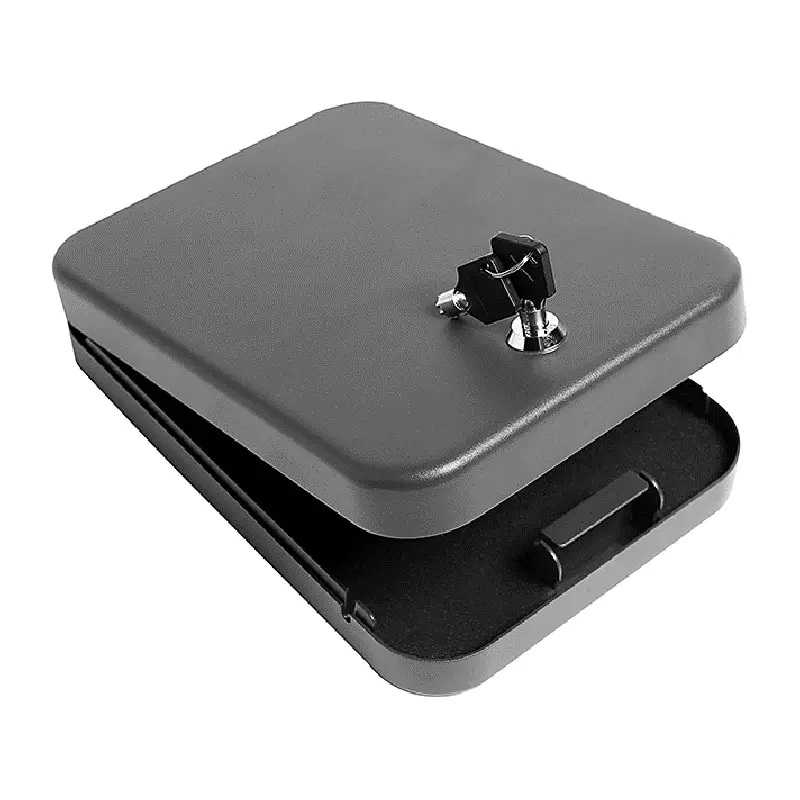
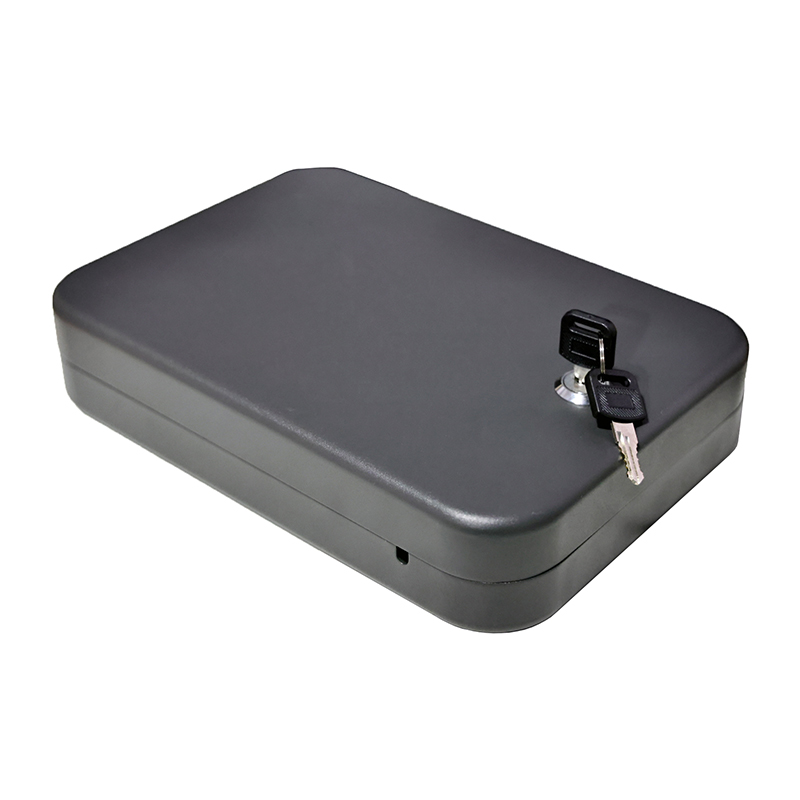
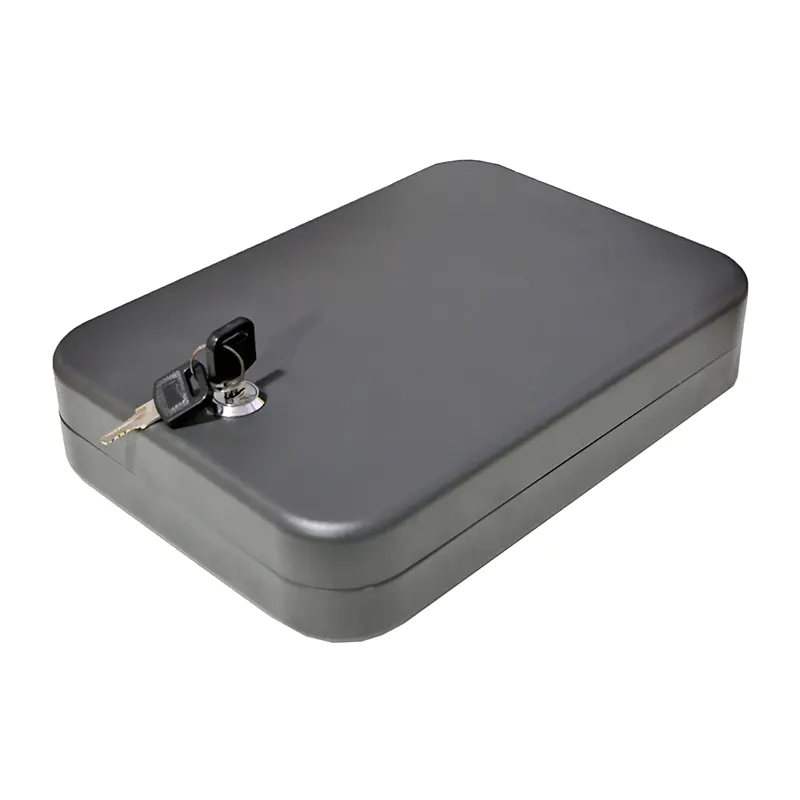
열쇠 잠금 장치가 있는 잠금 상자 Arnostanley Electric는 고객에게 가정 보안 OEM 및 ODM 서비스와 포괄적인 전문 솔루션을 제공하기 위해 최선을 다하고 있습니다.
Fundamental Security Differences Between a Lock Box with Key Lock and a Regular Storage Box
Understanding the Purpose of Secure Storage in Industrial and Commercial Settings
In industrial, commercial, and even residential environments, storage solutions are selected not only for capacity and organization but also for their ability to protect contents. A regular storage box is typically designed for convenience, accessibility, and basic containment, while a lock box with a key lock introduces an intentional layer of access control. For manufacturers such as Ningbo Arnostanley Electric Co., Ltd., which has long focused on electrical cabinets, sheet metal enclosures, and precision plastic injection products, the distinction between these two storage concepts is closely tied to how risk, responsibility, and asset protection are managed across different use cases.
Structural Design Differences That Influence Security
A regular storage box is often built with lightweight materials and simple joints, prioritizing portability and ease of use. Its structure is sufficient for organizing items but does not aim to resist forced entry or tampering. In contrast, a lock box with a key lock is usually designed with reinforced panels, tighter tolerances, and more deliberate construction methods. Sheet metal thickness, bending angles, and fastening techniques are selected to reduce flexing and prying opportunities. These structural choices directly influence how well the box can withstand external force or repeated handling in demanding environments.
Role of the Locking Mechanism in Access Control
The most visible difference between a lock box and a regular storage box lies in the presence of a key lock. A regular storage box relies on open access, meaning that anyone who can physically reach the box can open it. A lock box introduces controlled access by requiring a physical key, which limits entry to authorized users. This simple mechanism changes the security model entirely, shifting responsibility from environmental trust to deliberate permission. In workplaces where tools, documents, or components must be restricted, this distinction becomes critical.
Material Selection and Its Impact on Protection
Materials used in regular storage boxes are often chosen for cost efficiency and weight reduction, such as thin plastics or light-gauge metals. While suitable for non-sensitive items, these materials offer limited resistance to impact or cutting. Lock boxes, particularly those produced by manufacturers experienced in electrical enclosures, often use thicker steel, aluminum alloys, or reinforced plastics. These materials not only support the locking hardware but also reduce deformation under stress, contributing to a more predictable level of protection over time.
Resistance to Tampering and Unauthorized Handling
A regular storage box provides little to no deterrence against tampering. Even if it has a lid or snap closure, it can typically be opened without tools or with minimal effort. A lock box with a key lock introduces both a physical and psychological barrier. The presence of a lock discourages casual interference and signals that the contents are not intended for general access. Additionally, the integration of the lock into the enclosure design can reduce weak points, making unauthorized handling more noticeable or difficult.
Comparison of Typical Security Characteristics
| Feature |
Regular Storage Box |
Lock Box with Key Lock |
| Access Control |
Open access |
Restricted by physical key |
| Structural Reinforcement |
Basic construction |
Reinforced panels and joints |
| Tamper Resistance |
Low |
Moderate to controlled |
| Intended Use |
General organization |
Protection of sensitive items |
Integration with Industrial and Electrical Environments
In industrial contexts, especially those involving electrical systems, storage solutions often double as protective enclosures. A regular storage box is rarely suitable for housing components that require controlled access or environmental separation. Lock boxes, on the other hand, can be designed to align with electrical cabinet standards, including mounting options, cable entry points, and internal layouts. Companies like Ningbo Arnostanley Electric Co., Ltd. leverage their experience in electrical cabinets to ensure that lock boxes are compatible with broader system requirements rather than functioning as isolated containers.
Accountability and Traceability of Access
While a key lock is a simple device, it introduces an element of accountability that a regular storage box lacks. Keys can be issued, tracked, and retrieved, creating a basic record of who is allowed access. This does not require complex electronic systems but still supports internal control procedures. In contrast, a regular storage box offers no practical way to limit or trace access, making it unsuitable for environments where responsibility over contents must be clearly defined.
Durability Under Repeated Use
Regular storage boxes are often opened and closed frequently without consideration for wear on locking components, since they typically have none. Lock boxes must account for repeated key insertion, rotation, and latch engagement. As a result, the design of hinges, lock cylinders, and internal supports tends to be more robust. Over time, this focus on durability helps maintain consistent security performance, whereas a regular storage box may degrade in function without any direct impact on access control simply because none exists.
Adaptability to Custom Security Requirements
Another fundamental difference lies in customization potential. Regular storage boxes are usually standardized products with limited variation. Lock boxes can be adapted to specific security needs, such as different lock types, internal partitions, or mounting configurations. Manufacturers specializing in customized sheet metal enclosures and plastic injection products can tailor these features to match customer workflows, regulatory expectations, or spatial constraints. This adaptability allows the lock box to become part of a larger security strategy rather than a generic container.
Perception of Value and Risk Management
The choice between a regular storage box and a lock box with a key lock also reflects how an organization perceives the value of the stored items. A regular box implies low risk and minimal consequences if accessed by others. A lock box communicates that the contents have higher value, sensitivity, or safety implications. This perception influences employee behavior, handling practices, and placement within a facility, indirectly reinforcing the intended level of protection.
Long-Term Security Considerations
Over extended periods, the lack of security features in a regular storage box can become a liability as operational needs evolve. Items that were once non-sensitive may later require restricted access due to changes in process, compliance, or ownership. A lock box provides a foundation for future security needs without requiring a complete replacement of storage infrastructure. This forward-looking aspect is often considered by manufacturers and clients engaged in long-term industrial planning.
FAQ
Q: How does a lock box with key lock enhance security in industrial environments?
A: In industrial settings, a lock box with key lock introduces controlled physical access to tools, documents, or components that should not be handled freely. Compared with open storage, it helps reduce accidental misuse and limits handling to authorized personnel, which is especially relevant in electrical and manufacturing environments where responsibility and safety are closely linked.
Q: What design considerations matter most when selecting a lock box for electrical applications?
A: For electrical applications, factors such as enclosure material, structural rigidity, and compatibility with existing cabinets are important. A lock box should support stable mounting, resist deformation during daily use, and allow integration with electrical cabinets or control panels, areas where experienced enclosure manufacturers can provide tailored solutions.
Q: Can a lock box with key lock be customized for different usage scenarios?
A: Yes, customization is often a key advantage. Lock boxes can be adapted in size, internal layout, mounting method, and lock configuration to suit specific workflows. Manufacturers with capabilities in sheet metal fabrication and precision plastic injection can adjust designs to match customer requirements across different industries.
Q: How does material choice affect the long-term reliability of a lock box?
A: Material selection influences durability, resistance to wear, and overall stability. Metal enclosures typically provide higher structural strength, while engineered plastics may offer lighter weight and corrosion resistance. The right choice depends on the operating environment, frequency of access, and the nature of the stored items.
Q: Is a key lock sufficient for access management in shared workspaces?
A: A key lock provides a straightforward method of access management in shared environments by limiting entry to key holders. While it does not offer electronic tracking, it establishes clear responsibility and reduces casual access, which is often adequate for many industrial and commercial use cases.
Q: How does a lock box with key lock support compliance and internal control?
A: By restricting access to specific items, a lock box helps organizations align with internal control procedures and operational guidelines. It supports clearer assignment of responsibility and can be part of a broader approach to managing sensitive equipment or documents within regulated or quality-controlled environments.
Q: What role does manufacturing expertise play in the performance of a lock box?
A: Manufacturing expertise directly affects enclosure precision, lock integration, and overall build consistency. Companies with long-term experience in electrical cabinets and enclosures are better positioned to ensure that lock boxes function reliably within complex systems and meet the expectations of global customers.